
Refractory Bricks
"High-Performance Refractory Bricks for Extreme Heat and Harsh Industrial Conditions"Engineered for steelmaking, cement, and other heavy industries — delivering unmatched thermal resistance, structural integrity, and long service life.
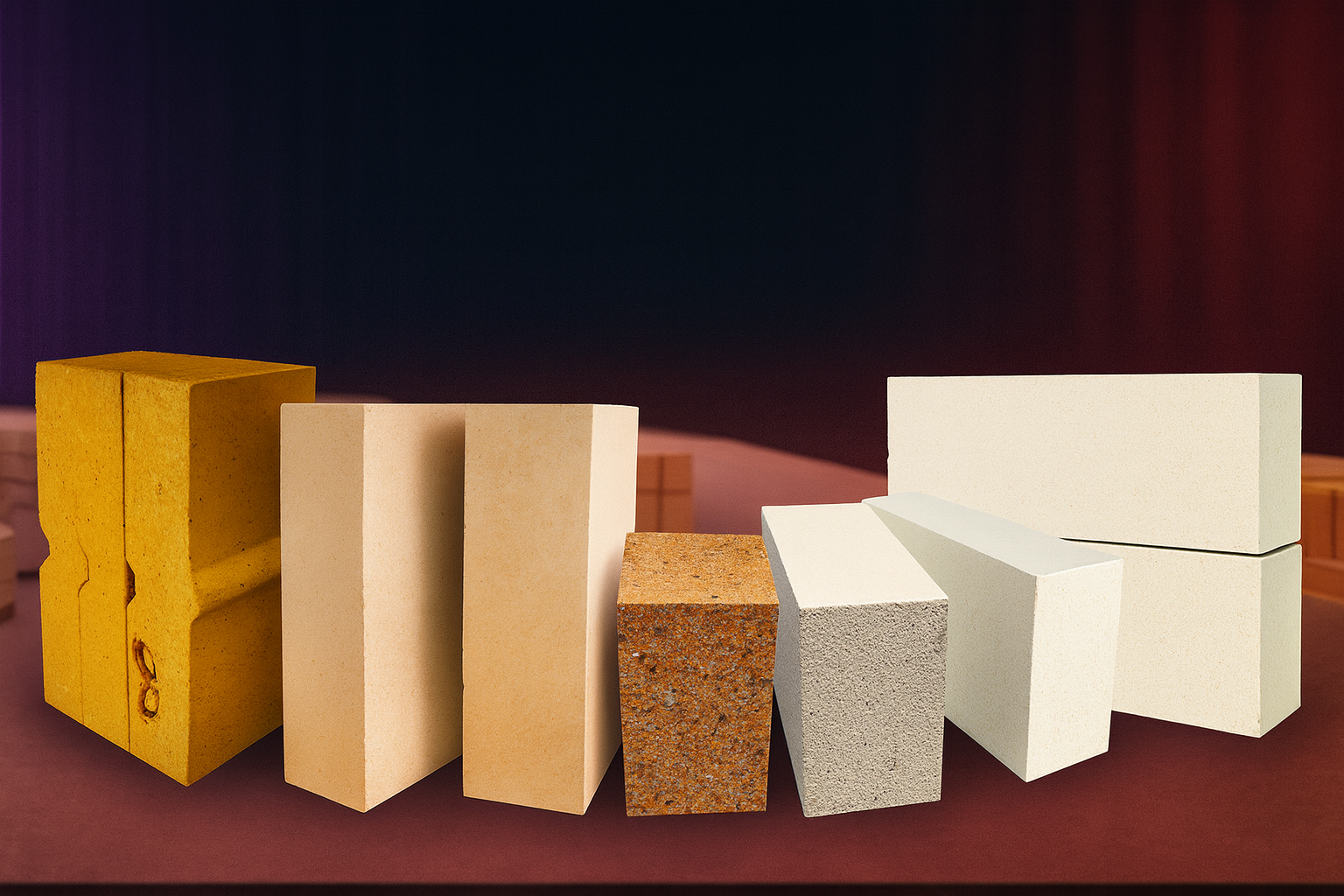
In steelmaking, refractory materials are critical to sustaining high-performance operations under extreme temperatures and harsh chemical conditions. From blast furnaces and converters to ladles, tundishes, and reheating furnaces — refractories protect essential equipment against thermal shock, mechanical wear, and chemical corrosion caused by molten steel and aggressive slags.
At Beijing Sino Forge, we understand that every mill faces unique challenges. That’s why our refractory products are engineered with precisely selected raw materials, advanced forming technologies, and optimized firing processes to ensure maximum service life, superior insulation, and consistent performance. Our solutions enhance productivity, maintain steel purity, and significantly reduce maintenance downtime — contributing directly to lower operational costs and improved sustainability.
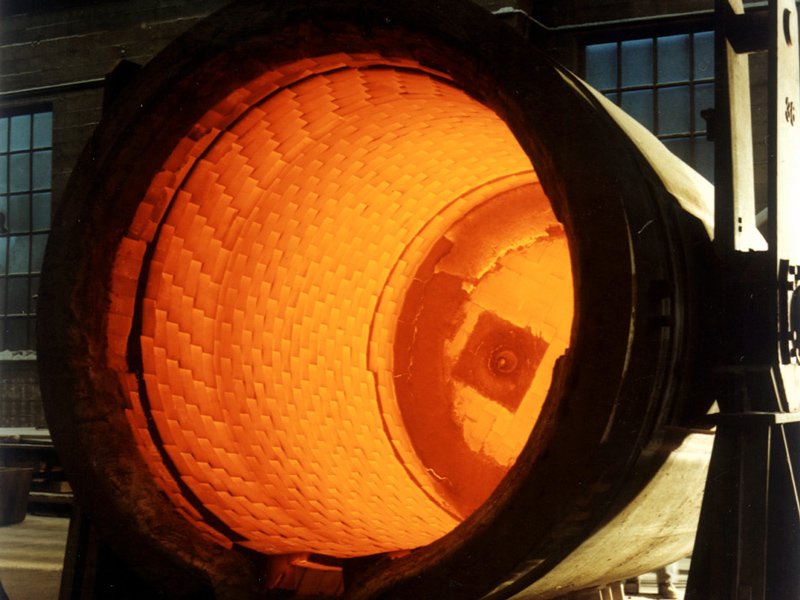
We supply a full range of refractory products for steelmaking applications, including:
-
High-alumina bricks, magnesia-carbon bricks, silica bricks, and insulating bricks
-
Monolithic refractories, castables, gunning mixes, and ramming masses
-
Precast refractory shapes designed for custom steel plant configurations
With decades of expertise and a strong export record to America, Europe, the Middle East, and Asia, Beijing Sino Forge is a trusted partner for the world’s leading steel producers. Our technical team works closely with each client to design tailor-made refractory solutions that match their specific furnace design, production process, and output targets.
When you choose Beijing Sino Forge, you are choosing durability, consistency, and a commitment to keeping your production running at peak efficiency — even in the most demanding environments.
How Refractory Products Improve Efficiency and Safety in Steel Production
Higher Production Rates
Refractory products can help to improve the efficiency of steel production by reducing heat loss and increasing the heat transfer rate. This allows for higher production rates, which can help to reduce production costs and increase profitability.
Reduced Downtime
The use of high-quality refractory products can help to reduce downtime in steel production. By providing a protective barrier against the extreme temperatures and chemical reactions involved in steelmaking, refractory products can help to extend the lifespan of equipment, reducing the need for costly repairs and maintenance.
Improved Safety
Refractory products also play a crucial role in ensuring the safety of steel production. By providing a protective barrier between workers and the extreme temperatures involved in steelmaking, refractory products help to reduce the risk of injury and accidents.
Blast Furnaces
- Function: In the steel industry, a blast furnace is a tall, vertical shaft furnace used to reduce and heat iron oxides to hot metal, which is later turned into steel: Iron ore is heated under pressure in a furnace. Hematite and magnetite are examples of iron oxides that are reduced in a furnace to hot metal. This heated metal is a carbon-saturated iron alloy that includes silicon, manganese, sulfur, and phosphorus. The pure iron metal separates and is suitable for collection. A simple oxygen converter is used to turn the pig iron into steel.
- Key Materials: Carbon Bricks, Alumina-Silicon Bricks, Carbide-Carbon Bricks, Silica Bricks, Ceramic Fiber Linings
- Application: Refractories must be strong and durable for blast furnaces, which run at temperatures higher than 2000°C, to continue functioning properly. Our carbon bricks are excellently resistant to slag and molten iron since they are particularly made for the pit and bottom sections. Thermal shock is avoided by the silica bricks in the higher stack.
Hot Blast Stoves
- Function: Hot blast stoves are crucial in the steel industry, particularly in blast furnaces, where they preheat the air used for combustion. Here are the main functions of hot blast stoves:
- Key Materials: Silica Bricks, Fireclay, High Alumina Bricks, Insulating Refractories
- Application: Hot blast stoves preheat air for combustion in the blast furnace. MMP Refractech’s silica bricks are ideal for Hot Blast Stoves, providing thermal stability and resistance to cycling. Fireclay and high alumina bricks deliver the necessary strength and shock resistance in combustion chambers.
Basic Oxygen Furnace (BOF)
- Function: The primary method for making steel is the Basic Oxygen Furnace (BOF), which turns molten iron into steel by means of a high-purity oxygen stream. This technique is known for its effectiveness and capacity to generate large quantities of high-quality steel. In the booming steel industry, BOF technology is essential to the manufacturing of different steel grades used in automobiles, construction, roads, and different industrial uses.
- Key Materials: Magnesia-Carbon Bricks, Dolomite Bricks, Monolithic Refractories
- Application: In BOFs, converting molten iron to steel requires materials that can handle thermal shock and slag resistance. Magnesia-carbon bricks are the primary choice, with dolomite bricks offering cost-effective alternatives. Monolithic refractories are used for quick repairs and irregular surfaces.
Electric Arc Furnace (EAF)
- Function: To be able to create high-quality steel products, the steel industry uses electric arc furnaces, or EAFs, to melt and refine scrap steel or direct reduction iron. These furnaces provide fine control over the steelmaking process by using electricity to generate heat through an electric arc between electrodes and the raw ingredients. EAFs are known for their adaptability, economy of energy, and capacity to generate a large variety of steel grades.
- Key Materials: Magnesia-Carbon Bricks, High Alumina Refractories, Refractory Castables
- Application: EAFs melt scrap steel or direct reduced iron using electric arcs. MMP Refractech’s magnesia-carbon bricks provide essential resistance to slag and thermal shock, while high alumina refractories protect the roof and upper sidewalls.
Ladle Furnaces
- Function: In the steelmaking process, a ladle refining furnace (LRF) is a furnace used to heat and refine liquid steel to increase its quality. The furnace has been referred to as a ladle refining furnace because the refining is done inside of a ladle.
- Key Materials: Magnesia-Carbon Bricks, Alumina-Magnesia Castables
- Application: Ladles in steel plants transport and treat molten steel. Our refractory solutions ensure high resistance to thermal shock and wear, with magnesia-carbon bricks forming the working lining and alumina-magnesia castables providing a robust safety lining.
Tundishes
- Function: Tundishes are crucial components in the steel industry, serving as intermediate vessels between the ladle and the mold in continuous casting processes. They play a vital role in regulating the flow of molten steel, ensuring a consistent and controlled transfer to the casting mold. Additionally, tundishes help remove impurities and enhance the quality of the final steel product by facilitating a stable casting process and reducing turbulence during the flow.
- Key Materials: High Alumina Bricks, Castables, Zirconia-Containing Refractories
- Application: Tundishes act as buffers and distributors in the steel casting process. MMP Refractech’s high alumina bricks are essential for thermal shock resistance, while zirconia-containing refractories combat severe slag corrosion.
Continuous Casting Machine
- Function: Melted metal is shaped into slabs, billets, and blooms in a continuous stream using continuous casting machines (CCMs).Because CCMs provide a semi-finished shape, they can save rolling and save waste. For the continuous and automated conversion of molten metal into semi-finished products like billets, blooms, or slabs, continuous casting machines are a vital piece of equipment in the steel industry. These devices create a continuous piece of metal that is cut to the required length by using water-cooled copper molds to harden the molten metal as it passes through.
- Key Materials: Alumina and Zirconia-Based Refractories, Silicon Carbide, Graphite Materials
- Application: These machines mold and cool molten steel into semi-finished products. High-performance refractories are crucial for submerged entry nozzles and other components in direct contact with molten steel.
Reheat Furnaces:
- Function: Reheating items to a high temperature makes them softer and simpler to shape. This type of furnace is called a reheating furnace. They are used to heat steel ingots, billets, slabs, beams, and blooms and are an essential part of the steelmaking process.
- Key Materials: High Alumina Bricks, Insulating Bricks, Castables
- Application: Reheat furnaces bring semi-finished products to rolling temperatures. MMP Refractech’s high alumina bricks ensure stability in hot zones, while insulating materials improve furnace efficiency.
Desulfurization Stations:
- Function: During the secondary steelmaking process, sulfur is eliminated from liquid steel using desulfurization stations at steel plants. Steel’s qualities and characteristics can be adversely impacted by the impurity sulfur. Desulfurization is typically carried out in ladles and requires 1500–1600°C for 30–50 minutes.
- Key Materials: Magnesia, Dolomite, Alumina and silica are some of the common refractories used. Castables and monolithics are also preferred.
- Application: Refractories used in desulfurization stations play a critical role in removing sulfur compounds from gases produced during various industrial processes, such as steelmaking or power generation.
Secondary Steelmaking (Ladle Metallurgy Furnaces, Argon-Oxygen Decarburization):
- Function: Secondary steelmaking is a crucial stage in the steel production process, taking place after primary steelmaking (usually via the basic oxygen process). This stage involves refining the molten steel to achieve the desired composition and quality. Key processes include Ladle Metallurgy Furnaces (LMFs) and Argon-Oxygen Decarburization (AOD Refractory Requirements
- Key Materials: High-Alumina Brick, Basic Refractories (e.g., Magnesia-Carbon bricks), Castables
Coke Ovens:
- Function: A coke oven is a heat-resistant chamber, like brick, used to heat coal and separate its tar, coal gas, and coal water. Coke is a hard residue made mostly of carbon and ash combined with coal gas and coal water. It is used in the manufacturing of steel.
- Key Materials: Silica Bricks, Fireclay Bricks, High Alumina Bricks, Repair Materials
- Application: Silica bricks are the backbone of coke ovens, providing resilience to thermal cycling. Fireclay and high alumina bricks add strength and shock resistance in critical zones.
Iron and Steelmaking Areas (Ladle Metallurgy Furnaces, Argon-Oxygen Decarburization):
- Function: In the iron and steelmaking processes, various technologies such as Electric Arc Furnaces, Basic Oxygen Furnaces, Continuous Casting, and Induction Furnaces each have specific refractory requirements. Selecting the appropriate refractory materials is essential for ensuring operational efficiency, product quality, and the longevity of the equipment. Argon-Oxygen Decarburization-Argon Oxygen Decarburization (AOD) is a refining technique that extracts carbon from molten metal by combining argon and oxygen gasses. It is major important process to make stainless steel also other high alloy metals.
- Key Materials: High Alumina Bricks, Silicon Carbide Bricks, Castables, Plastic Refractories
- Application: Common refractory materials used in AOD converters include dolomite, aluminia, magnesium, fire bricks, and many more. MMP Refractech offers tailored solutions to enhance reactor longevity and performance.