
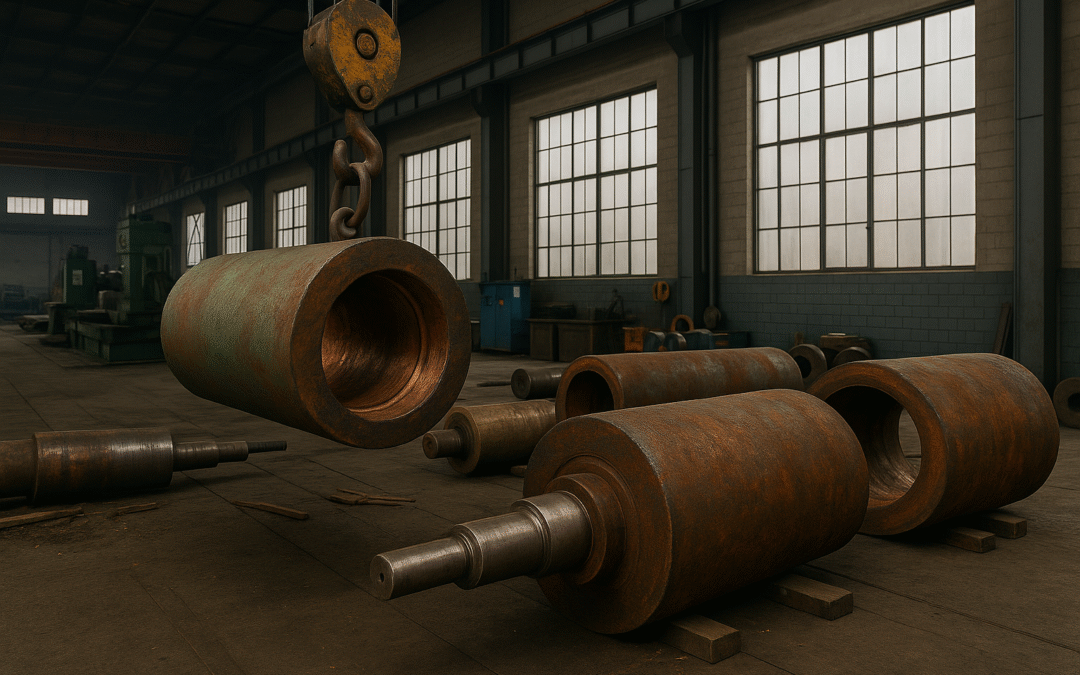
In the global steel industry, copper mould tubes and rolling mill rolls are indispensable. These components are the backbone of continuous casting and hot rolling operations, dictating both the efficiency and quality of the final product. While the demand for these parts continues to rise, so too has a troubling practice — the refurbishment and rebranding of used copper mould tubes and rolls, sold as “new” to unsuspecting buyers worldwide.
This issue has become especially prevalent in certain export channels from China, where used, worn-out components are resurfaced, repackaged, and marketed as brand-new products. The practice might appear to be a low-cost shortcut for some buyers, but in reality, it poses serious operational, financial, and safety risks that affect everyone in the supply chain.
As a company committed to quality, ethics, and long-term industry sustainability, we at Beijing Sino Forging Company believe it’s time to expose this problem in detail and explain why ethical sourcing is not just a moral choice — it’s a business imperative.
- How the Practice Works
The process of refurbishing and reselling used copper mould tubes and rolls often follows a pattern:
- Acquisition of Used Equipment – Scrap dealers or low-cost brokers purchase old mould tubes or rolls from steel mills, often from liquidation sales or outdated facilities.
- Surface Restoration – The used items are cleaned, polished, and in some cases, lightly machined to remove visible wear.
- Re-Coating or Plating – Copper mould tubes may receive a new layer of coating, while rolls may be re-surfaced. However, the internal wear, micro-cracks, and structural fatigue remain untouched.
- Rebranding as New – The refurbished products are packaged in new crates, often stamped with falsified manufacturing dates and even fake brand names.
- Export and Sale – These items are marketed aggressively at prices significantly lower than genuine new products, attracting buyers looking for short-term savings.
- Why This is a Problem for the Industry
2.1 Operational Failures
Refurbished mould tubes and rolls are structurally compromised. While they might look new on the surface, internal wear reduces their mechanical integrity. This leads to:
- Shorter lifespan
- Frequent breakages
- Unplanned downtime in production
- Inconsistent casting quality
2.2 Safety Hazards
When a copper mould tube fails during casting, it can cause molten metal leakage, leading to equipment damage and risking lives on the production floor. Similarly, roll failures can trigger line shutdowns and worker injuries.
2.3 Financial Losses
Cheaper upfront costs may look attractive, but the total cost of ownership (TCO) tells a different story:
- Increased replacement frequency
- More maintenance hours
- Product rejection costs
- Lost production during downtime
2.4 Damage to Reputation
If end customers receive steel with inconsistent quality, the steel mill’s brand suffers. This is particularly damaging in export markets where quality certifications are critical.
- The Ripple Effect: Who Gets Hurt?
- Steel Mills – Pay more in the long run due to frequent replacements and repairs.
- Workers – Face safety hazards from unexpected equipment failures.
- End Customers – Receive products of inferior quality.
- Ethical Manufacturers – Lose business to dishonest suppliers undercutting prices.
- The Industry’s Reputation – Trust in Chinese exports suffers when unethical practices go unchecked.
- Why This Practice Persists
- Price-Driven Procurement – Many buyers focus solely on the lowest price without evaluating lifecycle cost.
- Weak Quality Inspections – Some importing countries lack the technical means to verify the authenticity of supplied components.
- Lack of Awareness – Some procurement teams are unaware of how widespread refurbishment fraud has become.
- Short-Term Mindset – Preference for immediate savings over long-term stability.
- How to Identify Refurbished Products
For Copper Mould Tubes:
- Check weight — refurbished tubes often weigh less due to internal wear.
- Examine for uneven plating or unusual color tone.
- Verify batch numbers directly with the manufacturer.
For Rolls:
- Look for inconsistent hardness readings across the surface.
- Inspect ends for signs of previous machining.
- Confirm metallurgical test certificates with the issuing lab.
- The Legal and Ethical Perspective
Reselling used industrial equipment as new violates trade laws in many countries. It can also breach contractual agreements and result in:
- Import bans
- Heavy fines
- Blacklisting from major tenders
- Loss of ISO or other quality certifications
From an ethical standpoint, it undermines trust and damages the industry’s reputation globally.
- Beijing Sino Forging Company’s Position
We categorically reject the practice of refurbishing and misrepresenting used mould tubes and rolls. Our commitment includes:
- Full Traceability – Every product comes with verifiable batch numbers and manufacturing records.
- Strict Quality Control – Multi-stage inspections, including ultrasonic and metallurgical testing.
- Ethical Sourcing Policy – We only sell products manufactured to order from certified production facilities.
- Education for Buyers – We actively inform clients about the risks of refurbished products.
- How Buyers Can Protect Themselves
- Demand Certificates – Always request mill test certificates and verify their authenticity.
- Inspect Before Shipment – Use third-party inspection agencies.
- Choose Reputable Suppliers – Work with companies that have a proven track record of ethical business practices.
- Consider Lifecycle Cost – Evaluate cost over the product’s full lifespan, not just initial price.
- Conclusion
The temptation of low-cost refurbished copper mould tubes and rolls may be strong, but the hidden dangers far outweigh any short-term savings. This is not just a buyer’s problem — it’s an industry-wide threat that compromises safety, quality, and trust.
At Beijing Sino Forging Company, we stand for transparency, integrity, and performance. By choosing ethical suppliers, the global steel industry can protect its reputation, improve operational safety, and ensure long-term profitability.